Would you like to switch to the accessible version of this site?

Go to accessible site Close modal window

Don't need the accessible version of this site?

Hide the accessibility button Close modal window
Accessibility View Close toolbar
Carlton Veterinary Hospital

(503) 852-7009

Open mobile navigation
  • Home
  • Contact Us
  • Online Pharmacy
  • Patient Center
    • What to Expect
    • Online Form
    • Payment Policies
  • Meet Our Team
    • CVH Veterinarians
  • Dog & Cat Services
  • Equine Services
  • Gallery
  • Pet Links
    • Veterinary Topics
  • Testimonials
  • Home >
  • Articles >
  • Newsletter Library >
  • Nutrition & Food >
  • Why Your Guinea Pig Needs Vitamin C But Your Dog Doesn't

Why Your Guinea Pig Needs Vitamin C But Your Dog Doesn't

  • Created in Newsletter Library, Nutrition & Food
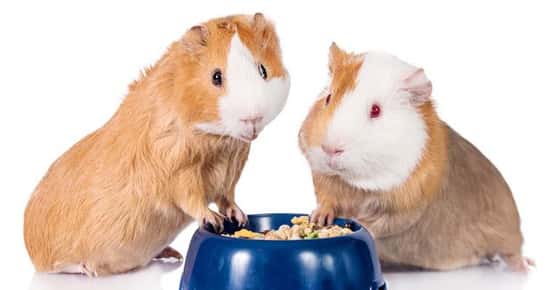
Image of two guinea pigs.

We all need to eat a complete and balanced diet. We feed our dogs and cats food developed by companies that study their nutritional needs, but if you study the list of ingredients, Vitamin C is not listed. When we prepare our own meals, we have to make sure we consume a source of Vitamin C such as orange juice. Ever wonder why most pets don't need this vitamin?

The vast majority of animals in the world make their own Vitamin C and don't need to consume any. Vitamin C is also known as ascorbic acid. This vitamin is important for several enzyme reactions in the body. It is a factor in pathways making collagen and other substances that are important in healing and preventing bleeding from capillaries. It is an antioxidant and is also required to make adrenaline and dopamine.

Some species of animals have lost the ability to make Vitamin C however. A genetic defect occurred in guinea pigs, fruit bats, capybaras, some reptiles, and many primates, including humans. This defect causes the inability to make the enzyme L-gulonolactone oxidase in the liver. This enzyme allows the body to convert glucose to ascorbic acid, or Vitamin C.

These animals must consume Vitamin C in order to be healthy. That why it is important that people, and these other animals drink orange juice or eat other foods high in Vitamin C.

As far as pets are concerned, dogs and cats make their own Vitamin C and do not need to consume any. It is important, though, to feed guinea pigs a diet high in ascorbic acid. That is why you should feed them a pelleted diet made for guinea pigs and not one made for rabbits. The guinea pig diet contains Vitamin C while the rabbit food does not.

If you have any questions regarding nutrition for your pet, you can ask your veterinarian for help.

  • Pet Health
    • Chronic Conditions
    • Digestive and Oral Health
    • Diseases and Viruses
    • Pests and Parasites
    • Orthopedics
  • Today's Veterinarian
  • Choosing Your Pet
    • Finding Your Pet
    • Cats
    • Dogs
    • Exotics
      • Amphibians
      • Birds
      • Reptiles
        • Lizards
        • Turtles
    • Small Mammals
      • Ferrets
      • Rabbits
      • Domesticated Animals
        • Prairie Dogs
      • Pocket Pets
        • Chinchillas
        • Guinea Pigs
        • Hamsters
        • Hedgehogs
        • Rats
    • Livestock
      • Cows
      • Donkeys, Horses & Mules
      • Goats
      • Pigs
      • Poultry
      • Sheep
  • Living With Your Pet
    • Bringing Your Pet Home
    • Children and Pets
    • Providing Care
    • Travel
    • Saying Goodbye
  • Newsletter Library
    • Cats
    • Tips for Pet Owners
    • Behavior & Training
    • Fleas & Parasites
    • Keeping Pets Healthy
    • Recognizing Illness
    • Nutrition & Food
    • Pet Dangers
    • Seasonal Topics
    • Visiting the Vet
    • Equine
    • Newsletter Archive
      • Fun with Pets
      • Unbelievable Pets
  • Video Newsroom
    • Health Topics
    • Technology and Science
    • Other Interests
  • Newsletter Library
  • Client Survey
  • Pets4Kids

Contact Us

We look forward to hearing from you

Error!

    • Online Pharmacy

      Your pet's food and medications delivered right to your door. Support us - Support local!
    • Online Forms

      Our patient forms are available online so they can be completed in the convenience of your own home or office.
    • Contact Us

      Call or send us an email today! Our staff will respond as soon as possible.

    Office Hours

    Our Regular Schedule

    Closed for lunch: 12:00 PM -1:00 PM

    Monday:

    8:30 am-5:30 pm

    Tuesday:

    8:30 am-5:30 pm

    Wednesday:

    8:30 am-5:30 pm

    Thursday:

    8:30 am-5:30 pm

    Friday:

    8:30 am-5:30 pm

    Saturday:

    Closed

    Sunday:

    Closed

    Location

    Find us on the map

    • "I love taking my Furbabies here!! Best doctors and staff!!❤️"
      Jodyn H.
    • "This is the only vet i go to there more like family there awesome with my pitbulls there they always are friendly and welcoming"
      Josh W.
    • "Love the staff and how everyone cares about each animal as if it was their own."
      Nancy L.
    • "They are very good with my pets and they did not cost me a fortune."
      T S

    Featured Articles

    Read about interesting topics

    • March Newsletter: How to Keep Your Cat Safe When Outdoors

      Wondering how your cat can safely spend time outdoors? ...

      Read More
    • March Newsletter: How to Choose Safe Blankets for Pets

      Do you know how to pick a safe blanket for your pet? ...

      Read More
    • February Newsletter: How to Reduce Dental Anxiety in Pets

      Does your pet hate toothbrushing? These tips could reduce dental anxiety. ...

      Read More
    • February Newsletter: How to Safely Change Your Cat’s Food

      Buying a new food for your cat? Find out how to switch foods safely. ...

      Read More
    • January Newsletter: Signs Your Pet Needs a Wellness Exam

      Does your pet need a wellness exam? ...

      Read More
    • January Newsletter: How Your Veterinarian Can Help If Your Pet Ingests Something Toxic

      Has your pet eaten something it shouldn't have? Find out how your vet can help. ...

      Read More
    • December Newsletter: Signs Your Pet Needs a Professional Cleaning

      Do you know when your pet needs a professional cleaning? ...

      Read More
    • December Newsletter: Simple Ways to Keep Your Home Flea-Free for Your Pet’s Well-being

      Never want to see another flea again? Try these tips for a flea-free home. ...

      Read More
    • November Newsletter: The Importance of Bloodwork for Your Pet’s Health

      Wondering if your pet really needs bloodwork? Find out the benefits of blood tests for your furry friend. ...

      Read More
    • November Newsletter: Turkey Day Tips for Pet Owners

      Don't forget about your pet when making Turkey Day preparations. ...

      Read More

    Newsletter Signup

    Sign up for more articles

    Error!

      • Copyright © 2026 MH Sub I, LLC dba iMatrix.
      • Admin Log In
      • Site Map